Understanding PRP Therapy
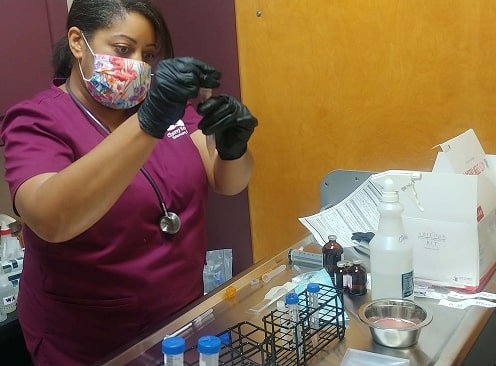
Platelet-Rich Plasma Therapy uses a concentrated sample of your pet’s platelets cells responsible for tissue repair and healing. The procedure begins with a simple blood draw performed by our veterinary team. The collected blood is then processed in a specialized system to isolate and concentrate platelets.
Once prepared, the PRP is injected directly into the affected joint, tendon, ligament, or wound. Because the treatment uses your pet’s own cells, it is well-tolerated, minimally invasive, and carries a very low risk of complications.
The platelets release powerful growth factors that:
• Reduce inflammation
• Stimulate new tissue formation
• Improve circulation
• Support joint lubrication
• Accelerate wound healing
• Enhance overall mobility
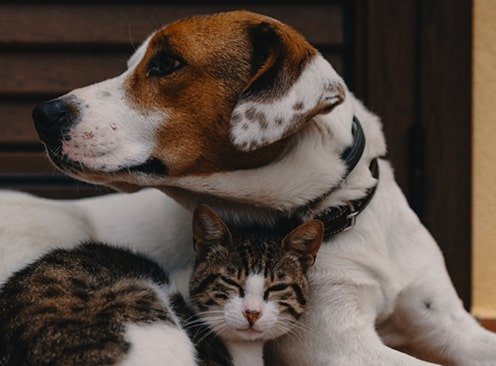
At Cherry Knolls Veterinary Clinic, PRP Therapy is used as part of a comprehensive treatment plan designed to help dogs and cats recover from chronic pain, mobility challenges, and injuries with improved comfort and faster healing.
How PRP Therapy Evolved: From Horses to Household Pets
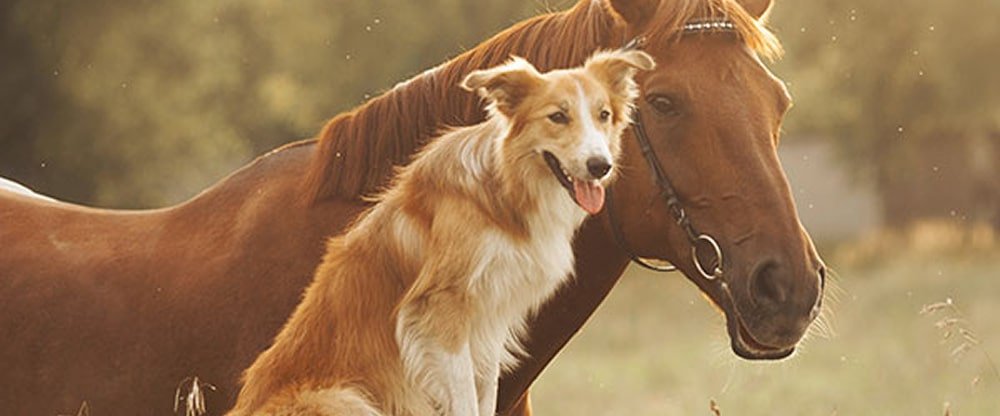
Although PRP Therapy has gained attention in human sports medicine and orthopedic care, it has been used in horses for many years to treat tendon injuries and joint problems. As research expanded and positive outcomes increased, veterinarians began exploring its benefits for dogs and cats as well.
Today, PRP Therapy is considered a leading regenerative option for pets experiencing:
• Osteoarthritis
• Cruciate ligament injuries
• Soft tissue damage
• Tendon or ligament tears
• Chronic wounds
• Large or slow-healing injuries
• Post-surgical recovery challenges
Studies continue to progress, but veterinary experience has shown that PRP can significantly improve mobility, reduce inflammation, and help pets return to their daily activities more comfortably.
Conditions That Respond Well to PRP Therapy
Pets of all ages can benefit from regenerative treatments, but PRP Therapy is especially helpful for those suffering from chronic or degenerative conditions. At Cherry Knolls Veterinary Clinic, we commonly recommend PRP for:
Arthritis in Dogs and Cats
Arthritis reduces joint comfort and mobility, causing stiffness, pain, and reluctance to move. PRP works to decrease inflammation while encouraging healthier joint function, making it an excellent drug-sparing option.
PRP Therapy in Centennial has become a trusted choice for pet families seeking natural healing solutions for long-term joint disease.
Soft Tissue Injuries
Tendon and ligament injuries are painful and slow to heal. PRP releases growth factors that help tissues repair more efficiently, supporting improved strength and recovery.
Post-Surgical Support
PRP can be used during or after orthopedic surgery to enhance the healing process and speed up recovery time.
Wounds and Skin Trauma
Chronic wounds, burns, large lacerations, or infections may respond positively to PRP injections, which encourage rapid cell regeneration and better tissue quality.
What to Expect During Your Pet’s PRP Session
A PRP appointment typically includes:
- Initial Consultation – Our veterinarian assesses your pet’s mobility, medical history, and overall health to determine whether PRP is an appropriate option.
- Blood Collection – A small blood sample is drawn.
- Platelet Processing – The sample is placed into a centrifuge system that concentrates the platelets.
- Targeted Injection – The PRP is injected into the affected joint, ligament, or wound under controlled, comfortable conditions.
Most pets tolerate the procedure extremely well, and sedation is used only when necessary to minimize stress. Recovery is generally quick, and pets often begin showing improvement within days to a few weeks. Some cases may benefit from multiple sessions, depending on the severity of the condition.
Why Choose Cherry Knolls Veterinary Clinic for PRP Therapy?
At Cherry Knolls Veterinary Clinic, our team has extensive experience in pain management, arthritis care, and regenerative therapies. We create personalized treatment plans that consider your pet’s age, mobility level, lifestyle, and long-term health goals.
Our approach prioritizes:
• Safety and comfort
• Evidence-based veterinary medicine
• Clear communication throughout the process
• Minimally invasive solutions whenever possible
• Ongoing monitoring and follow-up
For families looking for a natural and highly effective option, PRP Therapy in Centennial, Colorado offers meaningful results that help pets regain movement and confidence.
Is PRP Right for Your Pet?
If your pet shows signs of joint stiffness, limping, difficulty getting up, or slowing down due to age or injury, PRP Therapy may provide the relief they need. Our veterinary team will help you understand all available options and recommend the most suitable path forward.
Schedule a Consultation
If you are interested in exploring PRP Therapy for your dog or cat, Cherry Knolls Veterinary Clinic is here to guide you through every step.
Contact us to book a consultation and learn how regenerative medicine can help your pet heal more naturally and comfortably.
Phone: +1 303-779-1170